All articles

22 December 2025

Aluminium recycling for a sustainable future

Aluminium as a solution

In a world struggling with the consequences of climate change and the depletion of natural resources, aluminium offers a solution.

The metal is versatile, strong and endlessly recyclable without any loss of quality. These properties make aluminium important in the transition to a sustainable economy. Aluminium not only offers a sustainable alternative to primary raw materials, but also forms a building block in the circular economy. With almost 90 years of experience in metal recycling, Roba Metals is committed to innovative solutions for processing aluminium in more sustainable ways.

Infinite recycling

‘Aluminium can be recycled indefinitely without compromising on quality. Give me one good reason why we should unnecessarily extract bauxite from the earth to produce primary aluminium using energy-intensive processes,’ says Fred van den Ham, Director of Recycling at Roba Metals. ‘Recycling aluminium saves up to 95% energy compared to production from raw bauxite. This is not only more sustainable, but also necessary given the growing demand for this metal.’

Own aluminium smelters

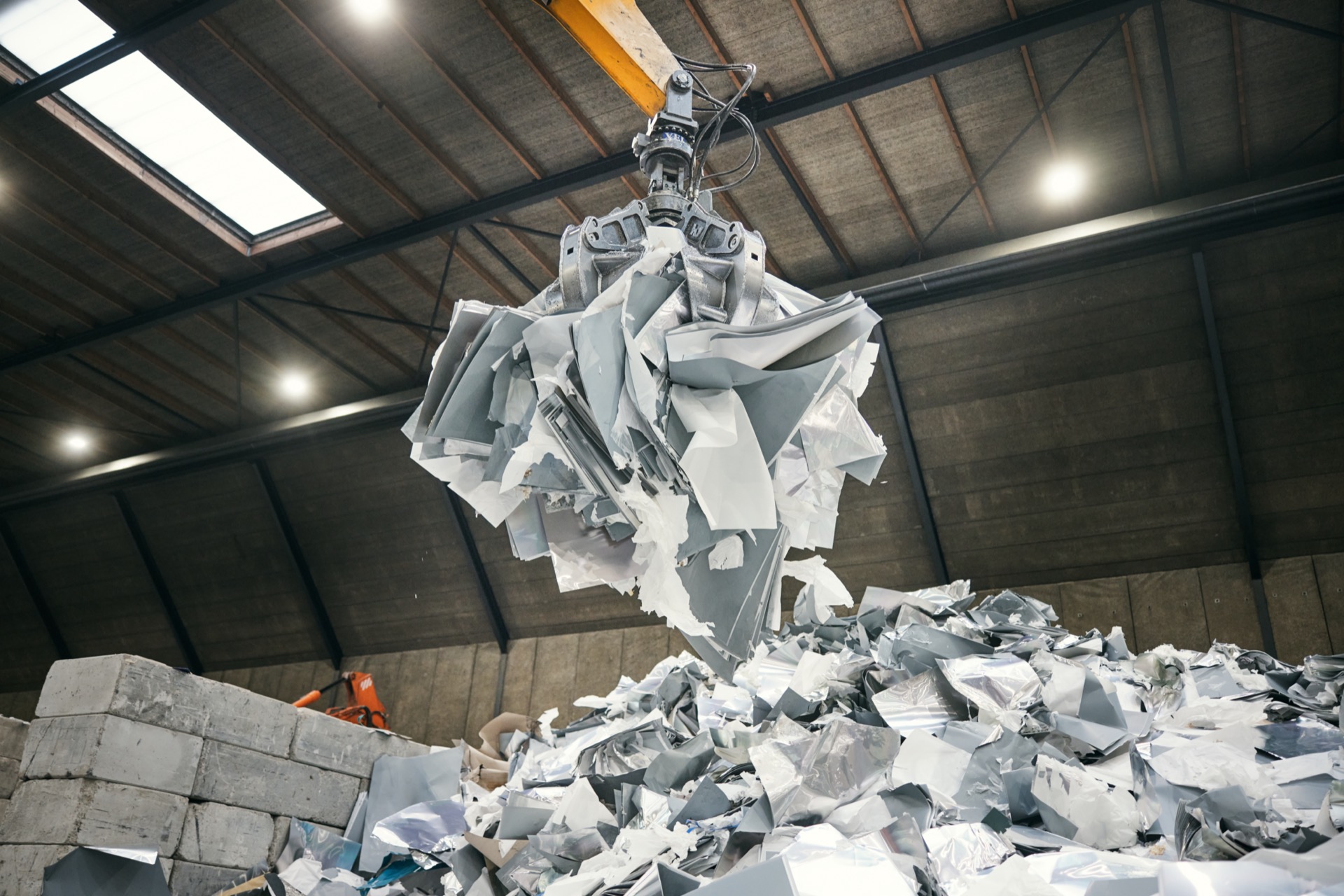
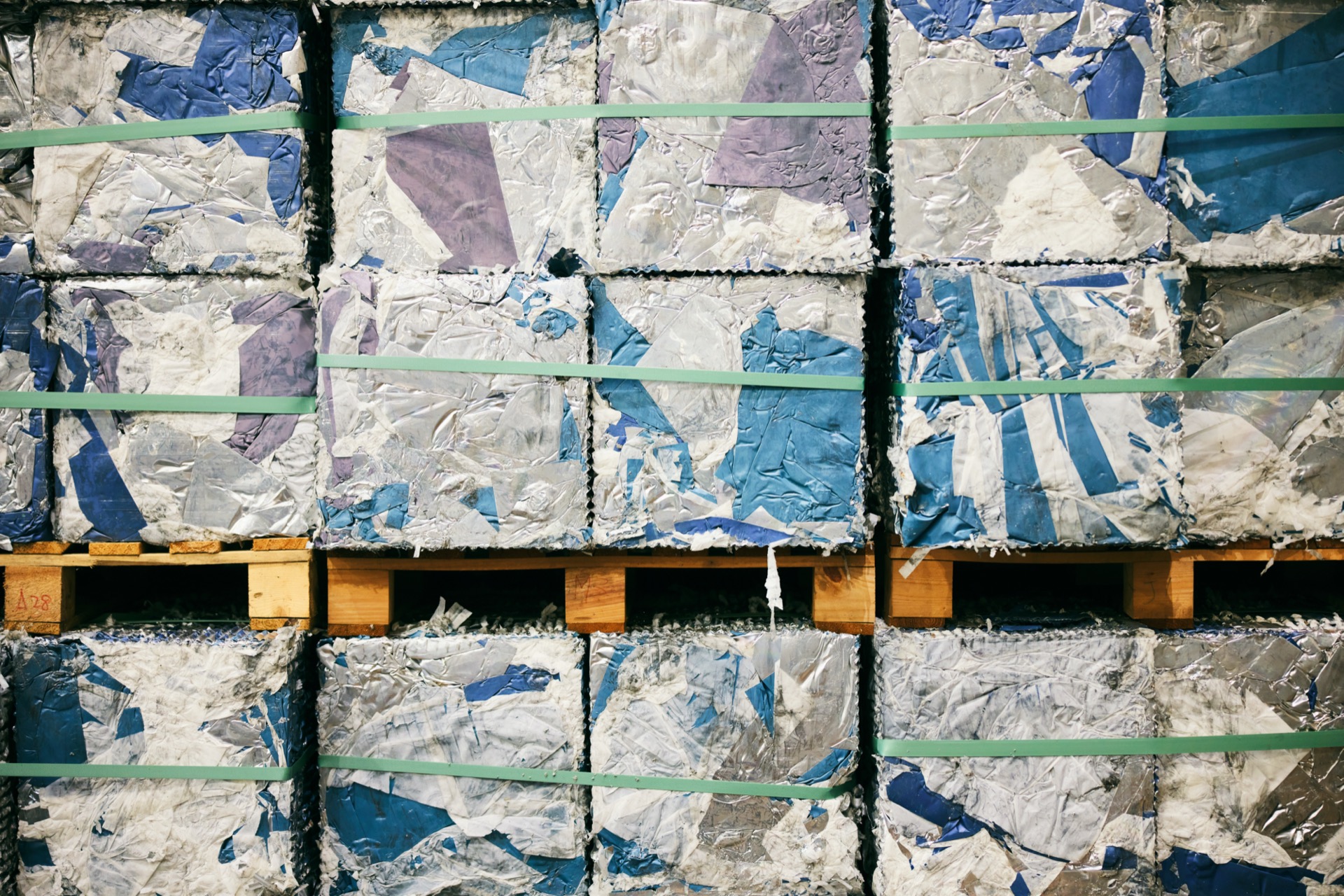
Roba Metals has four smelters in the Netherlands and Belgium. These facilities enable aluminium waste to be converted into valuable raw materials and alloys. This focus on sustainability has enabled them to develop innovative techniques that go beyond standard recycling. For example, the company processes aluminium foil with a plastic content of up to 20%, which further advances recycling in Europe.

Closed-loop principle

One of the most ambitious goals in the aluminium industry is to achieve a completely closed loop. This involves recycling aluminium products at the end of their life cycle into new, equivalent products. Van den Ham explains: "The closed-loop principle minimises waste streams and reduces the demand for primary raw materials. It ensures that aluminium can be used over and over again, while retaining all its original properties." An example of this circular approach is the collaboration with Royal Vaassen, a specialist in packaging solutions for food products. Paul van den Brink, Country Manager at Royal Vaassen, says: "Our aluminium foil provides a 100% barrier against moisture and oxygen, which significantly extends the shelf life of products. By working with Roba Metals, we can now also optimally reuse our customers' waste streams, such as cut-out foil scraps. This is not only good for the environment, but also financially attractive for the customer. It reduces costs."

More about our recycling approach

Innovation as a driving force

Roba Metals continuously invests in new technologies to make the recycling process more efficient and environmentally friendly. For example, they have plans to purchase an additional furnace equipped with the latest energy-efficient technology, which will increase capacity by around 15,000 tonnes per year. In addition, the company is investigating the application of pyrolysis, a process in which thermal treatments are used to clean heavily contaminated aluminium. This makes it possible to reuse even aluminium with a plastic content of up to 50%.

Van den Ham emphasises the potential: ‘With these innovations, we are not only reducing waste streams, but also ensuring that we really don’t waste anything anymore. We are even looking into whether we will soon be able to process the salt slag, a residual product of the smelting process, entirely locally. This will save us dozens of lorry journeys to Germany every month.’

Shared responsibility

According to both Roba Metals and Royal Vaassen, the key to success lies in cooperation. ‘If we make clear agreements with our partners about waste separation and recycling, we can make an impact together,’ says Van den Brink. He points to the pressure that major consumer brands are under to reduce their ecological footprint: ‘With our joint approach, we not only take care of our customers, but also help them achieve their sustainability goals.’ Van den Ham also calls on governments to contribute to this transition. ‘Current regulations make it difficult to transport aluminium waste across borders within the EU, while we in Europe should be encouraging more closed chains. A more flexible policy could ensure that valuable materials remain within Europe and are reused optimally.’

Future opportunities

Demand for aluminium will continue to grow in the coming years, driven by the need for lighter, stronger and more sustainable materials in sectors such as mobility, construction and packaging. However, this also presents challenges, such as ensuring sufficient input material for recycling. Nevertheless, Van den Ham is confident about the future: ‘At present, 75% of all aluminium ever produced is still in use. That shows how sustainable and valuable this metal is.’ Van den Brink agrees: "Through innovative techniques and smart collaborations, we can further reduce the impact of our industry. And let's not forget: the less waste we create, the better. Reduction is always the best solution."

Back to all articles