10 August 2026 Reading time: 3 minutes

Tinplate market update

Roba Metals Tinplate

Tinplate market update

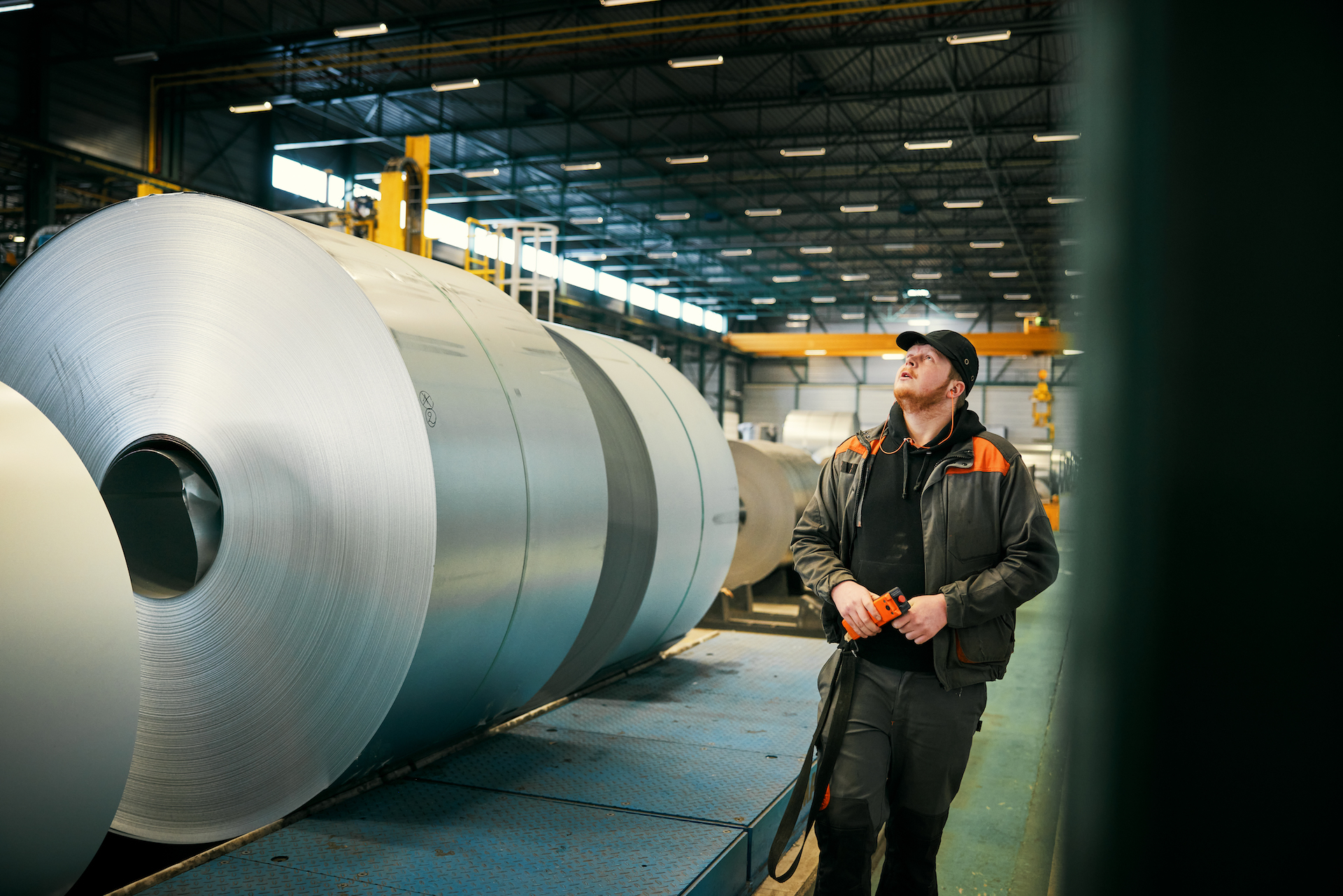
The tinplate market is undergoing significant change.

Manufacturers and buyers in the packaging industry are taking an increasingly critical view of availability, price developments, origin, and security of supply. This is hardly surprising. Tinplate plays an important role in food packaging, beverage cans, aerosols, paint cans, crown caps, closures, and other metal packaging applications.

Why is tinplate receiving increased attention?

Several market developments are converging in 2026. Demand from the packaging industry remains stable, while manufacturers and buyers are facing higher raw material and production costs, changing import flows, and European trade measures. Market sources report price movements across Europe driven by higher production costs and sustained demand from the food packaging, can-making, and industrial sectors.

For buyers, this means that supplier selection is no longer based solely on price. Availability, technical expertise, reliable documentation, and flexibility in specifications are becoming equally important. This is particularly true for packaging applications where food safety, barrier properties, and consistent processability are essential.

EU anti-dumping measures: what has changed?

A key development is the introduction of European anti-dumping measures on tinplate imports from China. In May 2025, the European Commission imposed definitive anti-dumping duties on tinplate imports from China, ranging from 13% to 62%. According to the Commission, its investigation found that Chinese imports sold at dumped prices were causing injury to European producers.

In April 2026, the legislation was further amended through an implementing regulation covering tin-coated flat-rolled products of iron or non-alloy steel originating in China.

For European buyers, these measures may affect total procurement costs, lead times, documentation requirements, and supplier selection. Alternative sourcing channels and reliable stock availability may also become increasingly important.

Roab Metals | Stock

What does this mean for your procurement strategy?

In a changing market, it is wise to look beyond simply securing the lowest price per tonne.

Key questions include:

  • Is the material available when you need it?
  • Do the thickness, temper, coating, and finish meet the requirements of your production process?
  • Is the origin and documentation clearly traceable?
  • Are alternative options available when market conditions change?
  • Can your supplier advise on both prime and secondary-grade material?

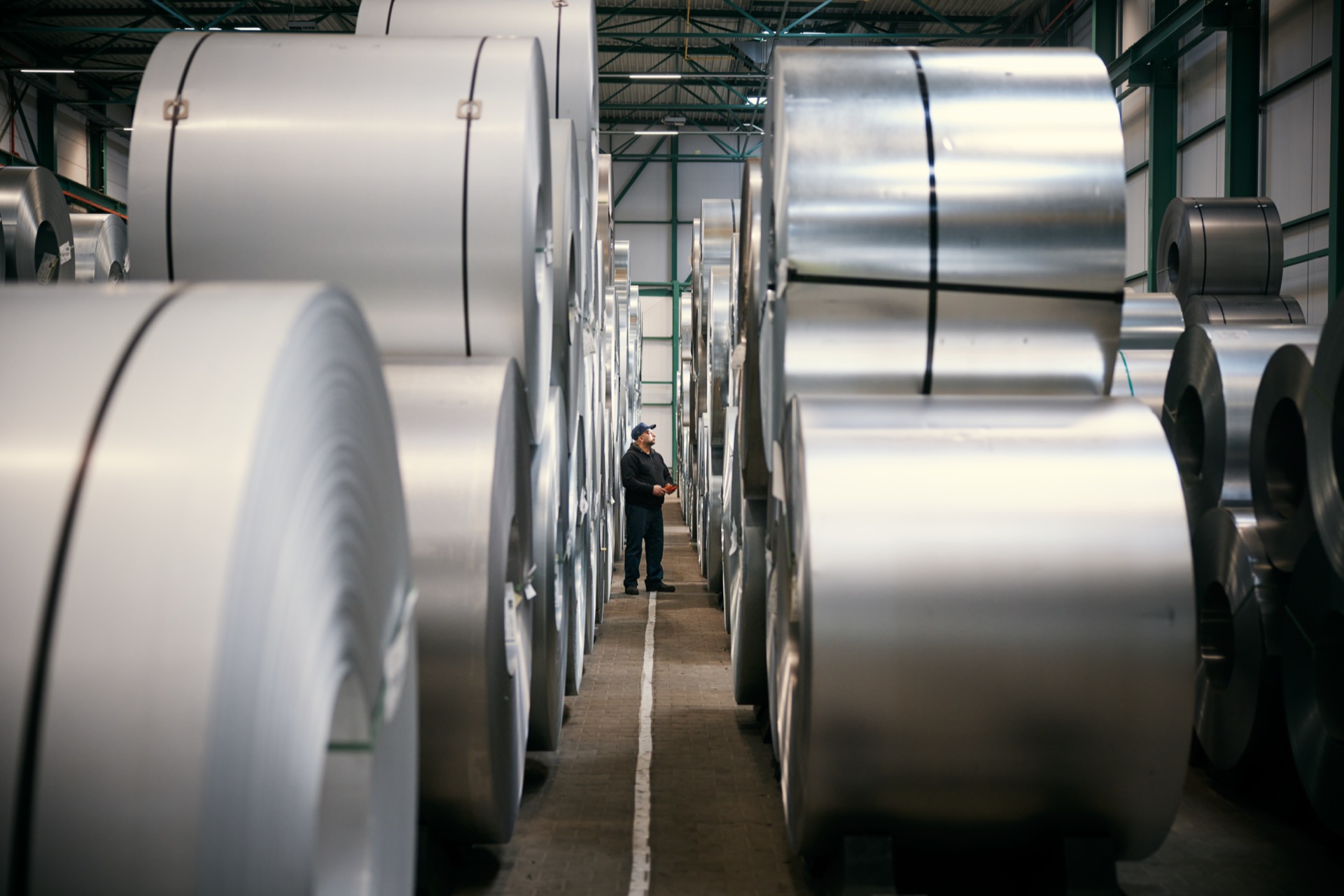
At Roba Metals, we combine international sourcing with strategically located warehouses across Europe. This enables us to support customers with short lead times, flexible order quantities, reliable supply, and personalised service. In our brochure, we highlight ETP, TFS, and aluminium as trusted standards within packaging metals.

Tinplate at Roba Metals

Roba Metals has been active in the packaging metals market since 2013. What began as an extension of our extensive experience in the steel trade has grown into a specialised business unit with a clear focus: delivering the right packaging metal to the correct specifications. Thanks to our global network, our own purchasing office in Asia, and our European warehouse infrastructure, we can support customers with both standard requirements and more complex specifications.

Learn more about our tinplate offering

Conclusion

The tinplate market requires close attention. Price developments, EU anti-dumping measures, and changing import flows are making effective sourcing more important than ever. For manufacturers in the food, aerosol, paint, chemical, and closures sectors, the focus is on continuity, quality, and technical assurance.