18 September 2026 Kendrick de Zwart Reading time: 5 minutes

New copper for Rotterdam’s heritage

A Rotterdam icon under restoration

Roba Metals is supplying approximately 37 tonnes of new copper for the restoration of Rotterdam’s listed Maastunnel buildings. The old copper released during the restoration will also be taken back and recycled to a high standard.

After more than 80 years, various parts of the buildings require major maintenance. Commissioned by the Municipality of Rotterdam, façades, windows, window frames and roofs are therefore being repaired or replaced. Terrazzo floors and works of art are also being restored. Wherever possible, the restoration will return the buildings to the appearance and colours they had upon completion in 1942.

The restoration began at the end of 2025. Work on the south side of the River Maas is expected to continue into 2027, while work on the north side is scheduled for completion in early 2028.
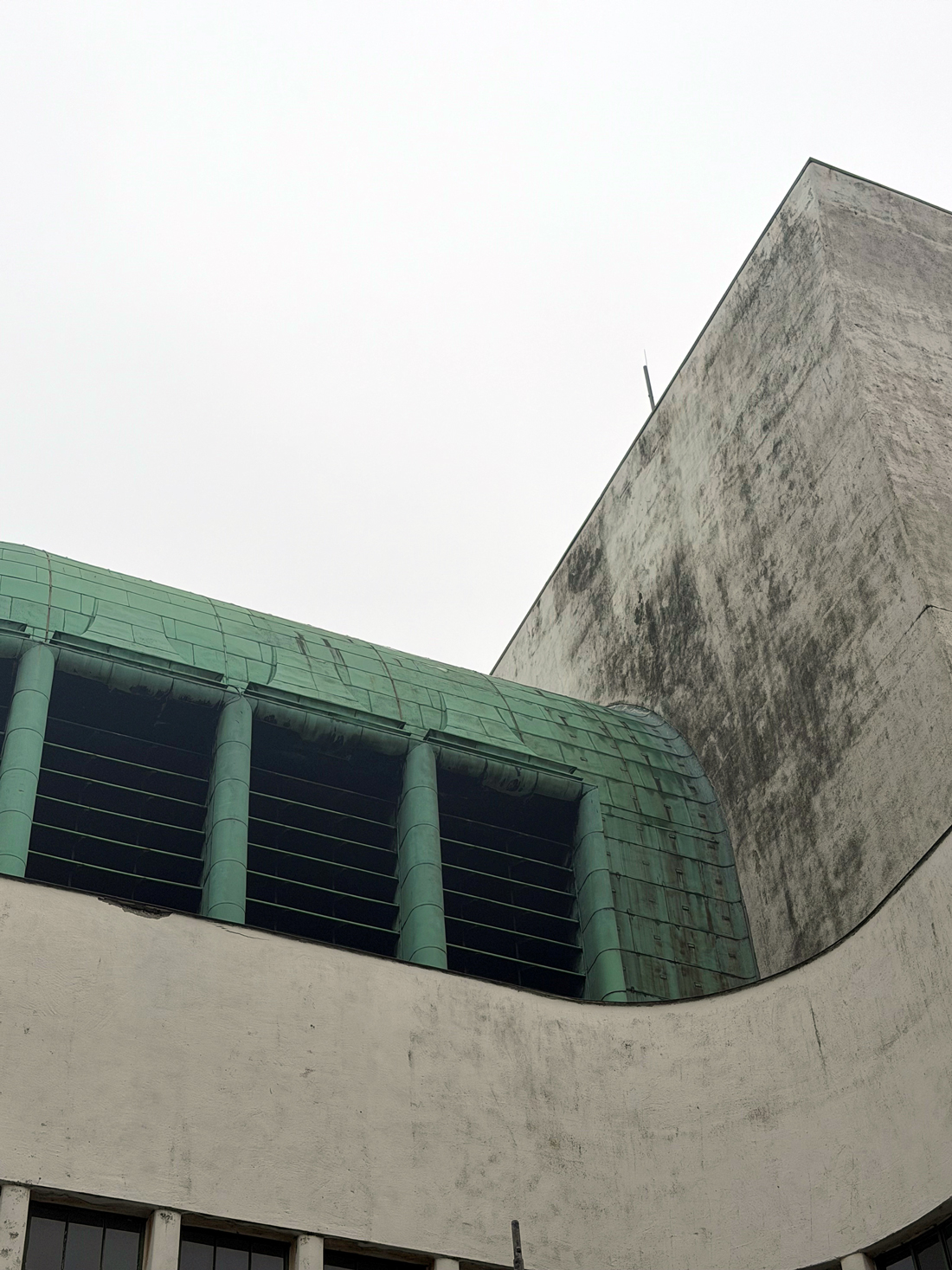
New copper for a familiar cityscape

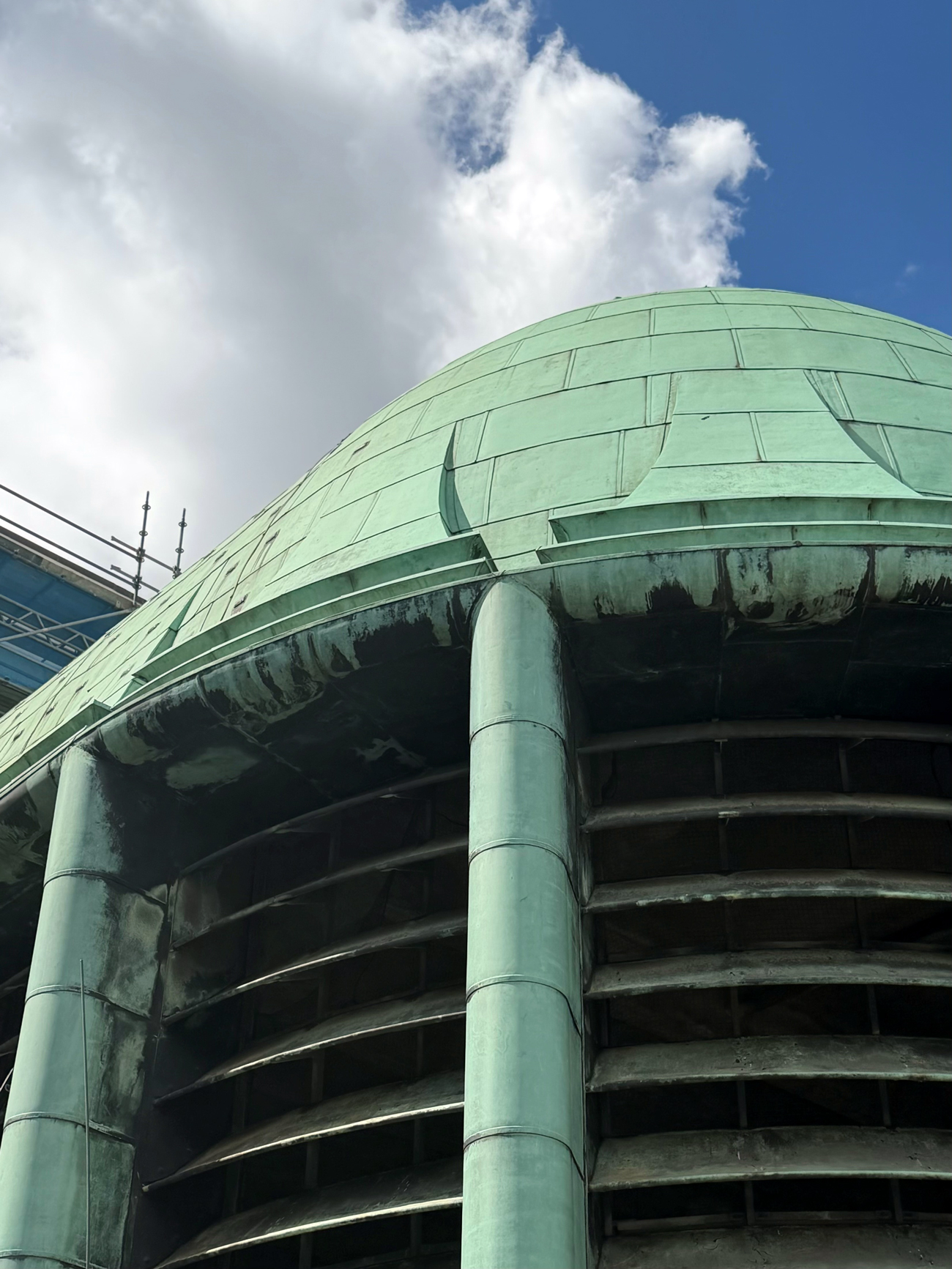
A prominent part of the restoration is the replacement of the copperwork on the roofs and façades. Ridder Skins for Buildings, a specialist in metal roofing and wall systems, is responsible for carrying out the copperwork. Roba Metals has worked closely with Ridder on copper projects for many years and is supplying the new material required for this exceptional project.

The project involves approximately 37 tonnes of mill-finish DHP copper from KME, supplied in coils and sheets in various dimensions. Roba is a KME partner for the distribution of copper products for roofing and façade applications throughout the Benelux.

Thanks to its formability, corrosion resistance and long service life, copper is highly suitable for architectural applications such as roofing and façade cladding. It combines strong technical performance with a distinctive appearance and can be fully recycled without any loss of quality.

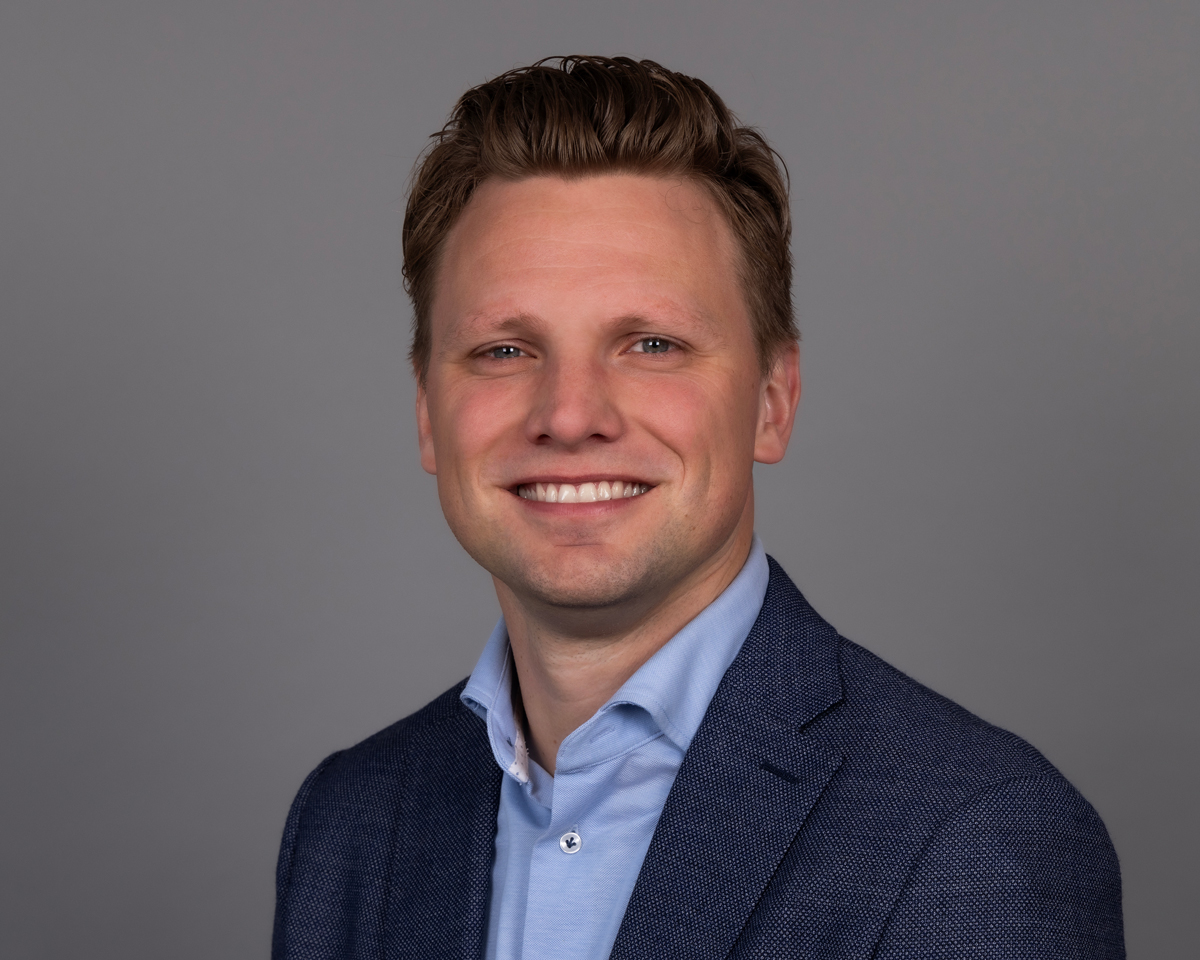
Kendrick de Zwart, Sales Manager Non-ferrous metals at Roba Metals

“Copper projects of this scale are rare in the Netherlands. We are proud to contribute to the restoration of the iconic Maastunnel buildings as a KME partner and supplier to Ridder Skins for Buildings. It is a wonderful example of how collaboration, craftsmanship and high-quality materials come together.”

From mill-finish copper to a green patina

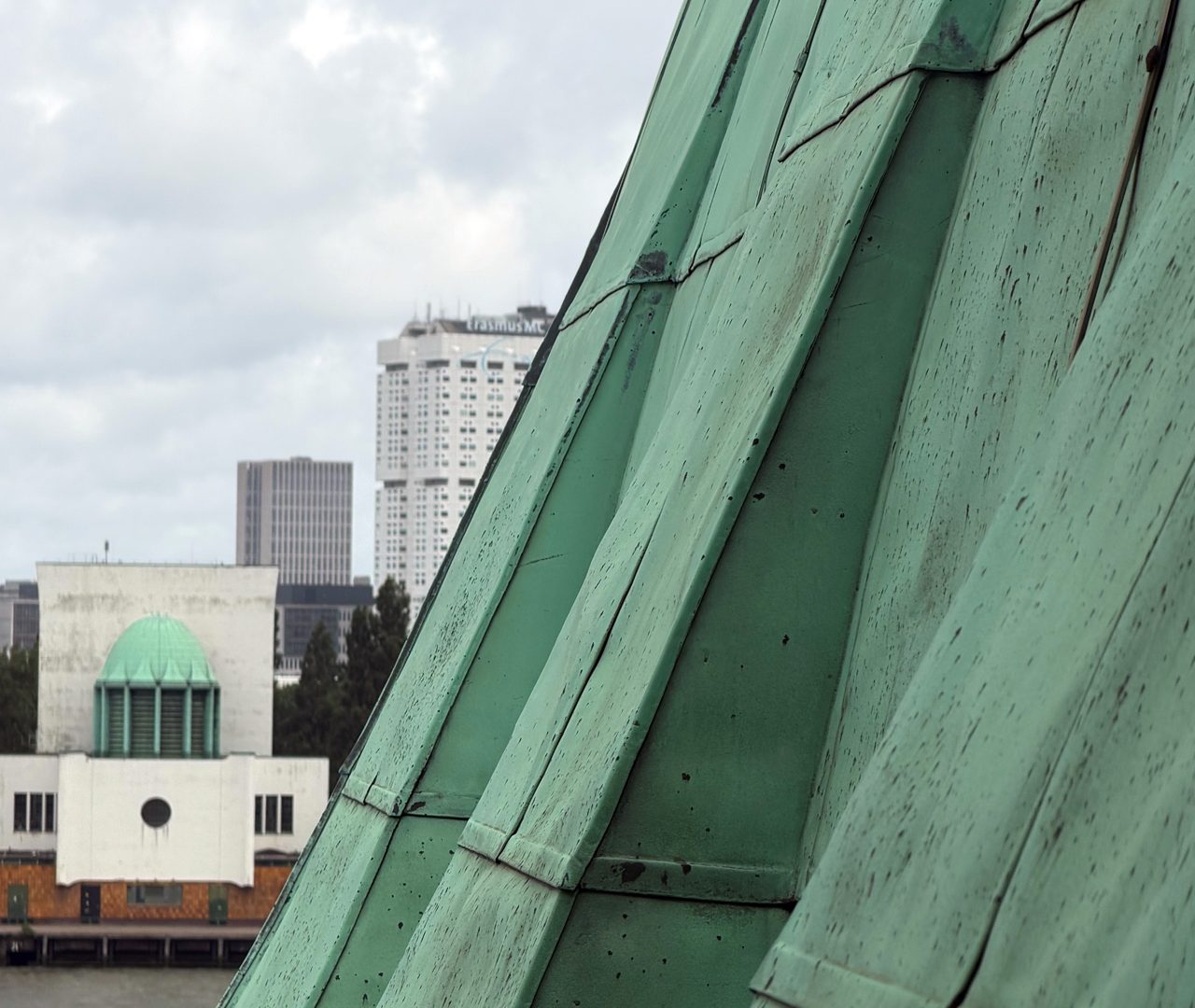
Immediately after installation, the new copper has a distinctive bright reddish colour. Its surface then changes gradually under the influence of weather and climate. First, a uniform dark oxide layer forms. Over the years, the characteristic green patina associated with the Maastunnel buildings develops on top of this layer. This natural process takes time, and the formation of a completely new and continuous patina can take several decades. The colour change occurs more slowly today than it did in the past, partly because there is less sulphur in the air. It is precisely this natural development that makes copper so special. The material evolves along with the building and its surroundings. Over time, the initial reddish-copper appearance will give way to the familiar green that has been part of Rotterdam’s cityscape for decades.

View our full range of copper products

Call-off delivery and price certainty

The scale and long duration of the project require not only the right material, but also a suitable commercial and logistical solution. It was important to Ridder Skins for Buildings that the total volume did not have to be purchased all at once. Roba therefore keeps the required material in stock and available on a call-off basis, supplying it in smaller batches throughout 2026 and early 2027.

The price of the agreed total volume has also been fixed for the duration of the project. This provides Ridder with both security of supply and price certainty, while allowing the material to be called off precisely when it is needed on site.

With this approach, Roba offers more than the supply of copper alone. By coordinating material availability, pricing agreements and logistics, we provide the customer with as much support as possible throughout the project.

Returning old copper to the supply chain

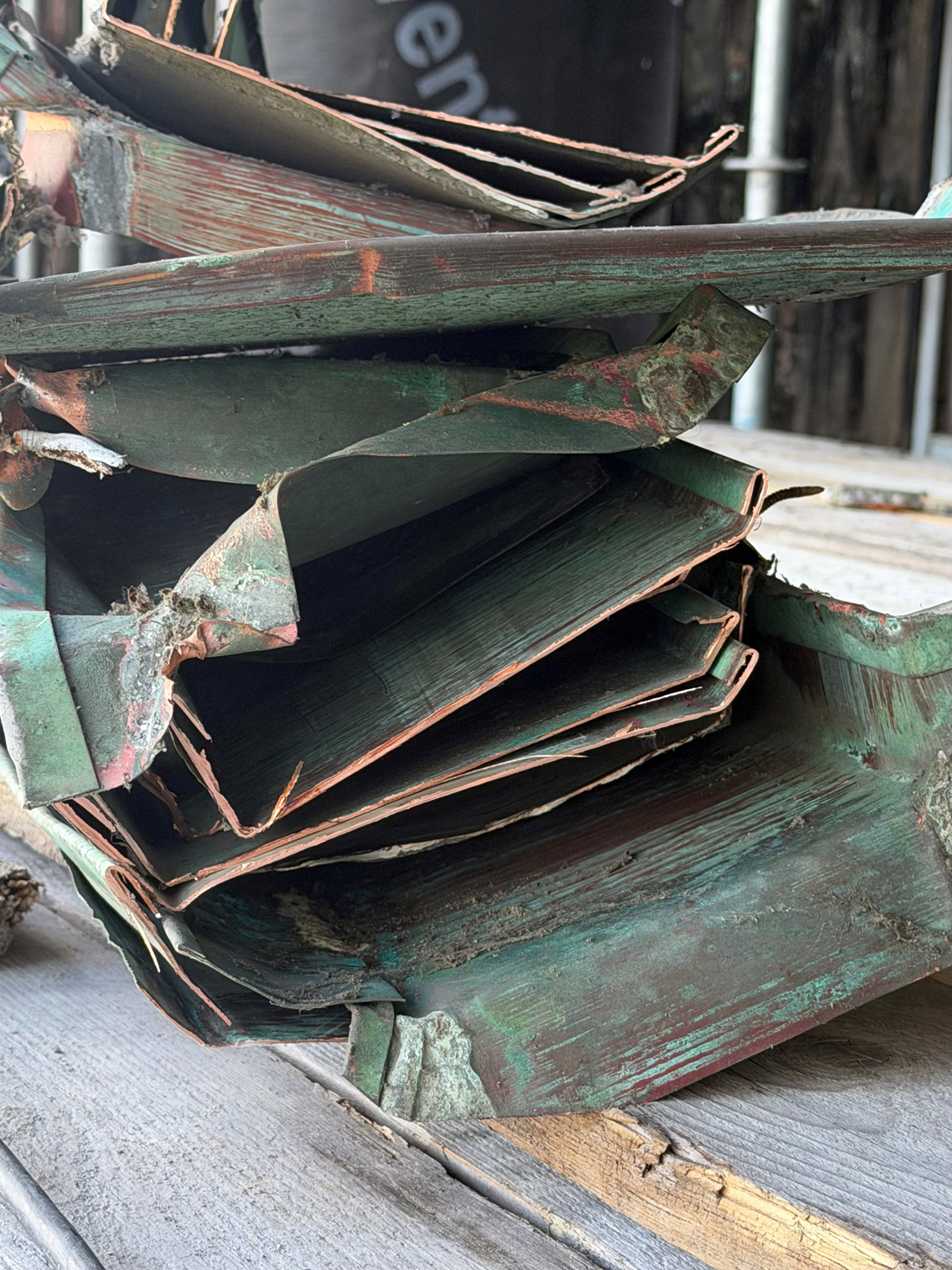
In addition to supplying the new copper, Roba is responsible for processing and recycling the old copper released during the restoration. The first return flows have been collected since June 2026. Approximately 40 to 50 tonnes of copper material are expected to be recovered over the course of the project. A local collection partner transports the material in containers to Roba’s recycling facility in IJsselstein, where it undergoes a comprehensive quality inspection. The copper is weighed and assessed for factors including purity, oxidation and the presence of organic residues or metallic attachments. Where possible, Roba works with the parties involved to determine how the material can be supplied as cleanly and separately as possible. The purer the material flow, the greater the opportunities to return the copper to the supply chain for high-quality applications. Following inspection, the copper is pressed into compact bales due to the size of the individual pieces. This prepares the material for the smelting process, after which it can be reused as a valuable raw material. The copper that formed part of the Maastunnel buildings for decades is thus beginning a new chapter in the material supply chain.

Discover more about our Roba Recycling solutions

Lars Verlinden, Procurement Manager at Roba Recycling

“One of the great qualities of copper is that it can be recycled and reused time and again without any loss of quality. Following careful inspection and processing, we return the material that formed part of the Maastunnel buildings for many years to the raw-material supply chain. Projects in which different disciplines across Roba work together allow us to make full use of our combined strengths.”

Collaboration as a connecting force

The restoration of the Maastunnel buildings demonstrates what can be achieved when different specialists combine their knowledge and capabilities. Ridder Skins for Buildings is carrying out the copperwork, KME produces the new mill-finish copper and Roba Metals ensures the material is available and delivered when required.

At the same time, colleagues from Non-Ferrous Metals, Architectural Metals and Recycling work closely together within Roba. The idea of taking back the copper released during the restoration arose at the same time as the material supply agreement was being finalised. The practical and logistical details of the recycling flow were subsequently developed together with Ridder.

This creates a solution covering the complete material journey, from the supply of new copper to the high-quality processing of the old material.

Preserving value for the future

For Roba Metals, the restoration of the Maastunnel buildings is about more than supplying a substantial volume of copper. It is a project that brings together material expertise, service, internal collaboration and recycling in a tangible way.

The new copper will help protect and preserve the appearance of the listed buildings for decades to come. Meanwhile, the old copper will not be discarded as waste. Instead, it will be returned to the supply chain as a valuable raw material. In this way, a familiar part of Rotterdam’s cityscape is given a new future while the value of the material is preserved.

Further information about the restoration of the Maastunnel buildings can be found on the Municipality of Rotterdam website. The Municipality of Rotterdam commissioned the restoration of the Maastunnel buildings. The photographs of the Maastunnel buildings shown in this article were also provided by and remain the property of the Municipality of Rotterdam.