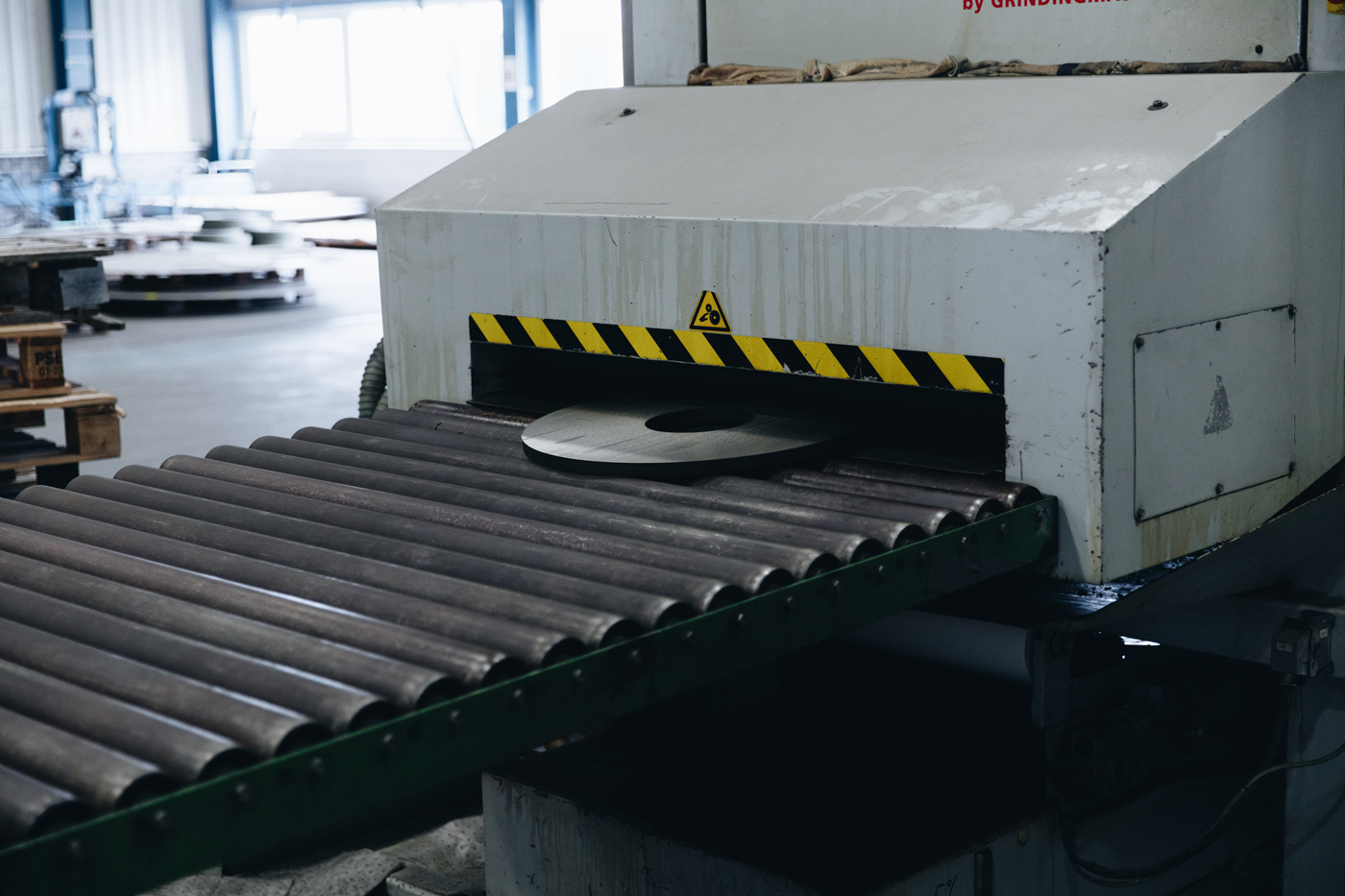
Finishing that accelerates your process

Plasma cutting in particular can leave sharp edges or light burrs. These are not only unpleasant during handling, but can also interfere with a subsequent step, such as assembly, clamping or further processing.

By deburring your stainless steel, we remove burrs and sharp edges so that components can proceed safely and reliably through your process. And because this forms part of our one-stop process, you do not need to outsource it separately.

Grinding is a different type of finishing. We use this process when the surface itself is important, for example to achieve a uniform appearance, improve cleanability, prepare the component for a subsequent process or achieve a specific Ra value. This enables us to tailor the finishing to the requirements of your component: safe edges, an improved surface or both.
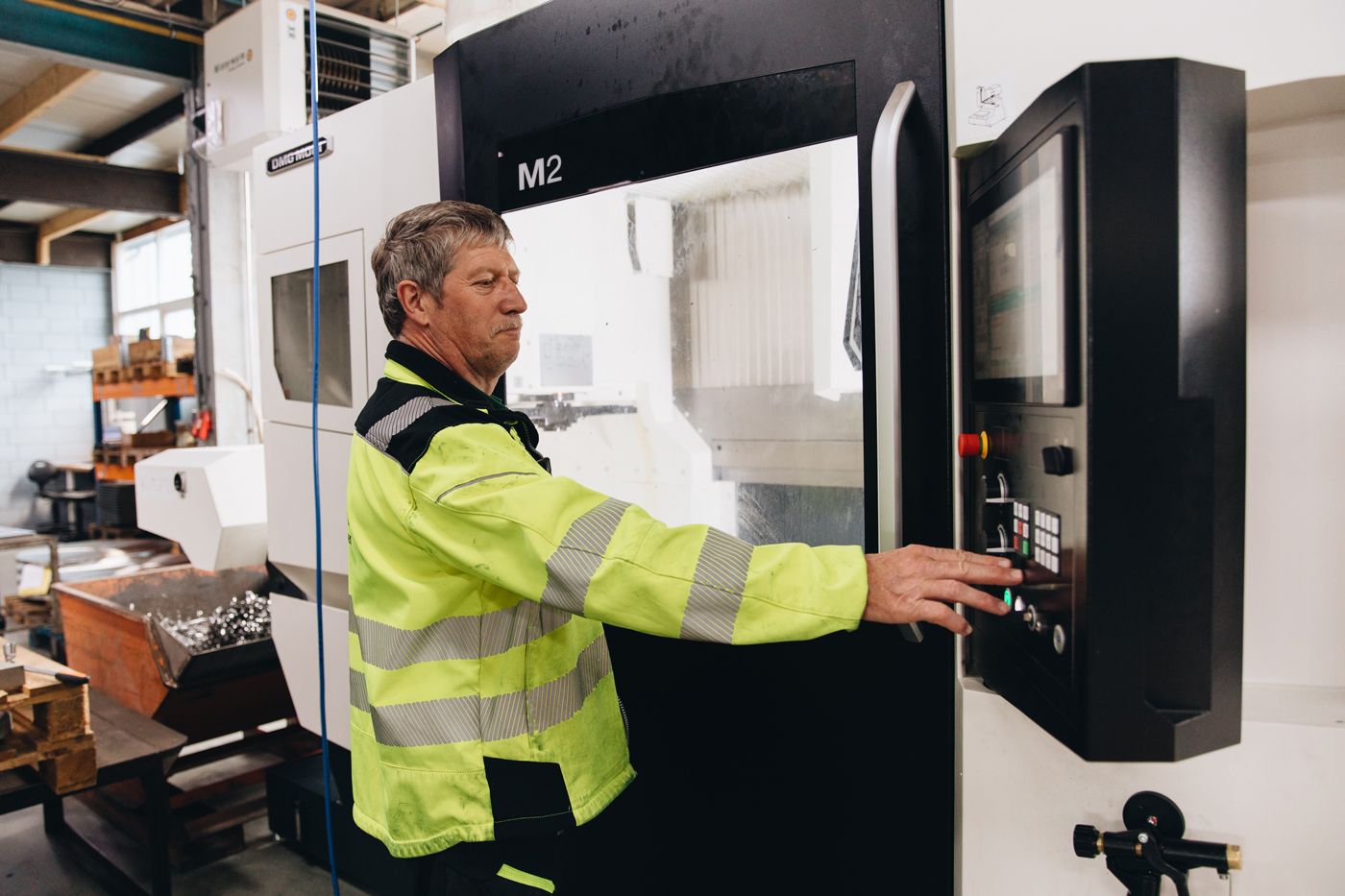
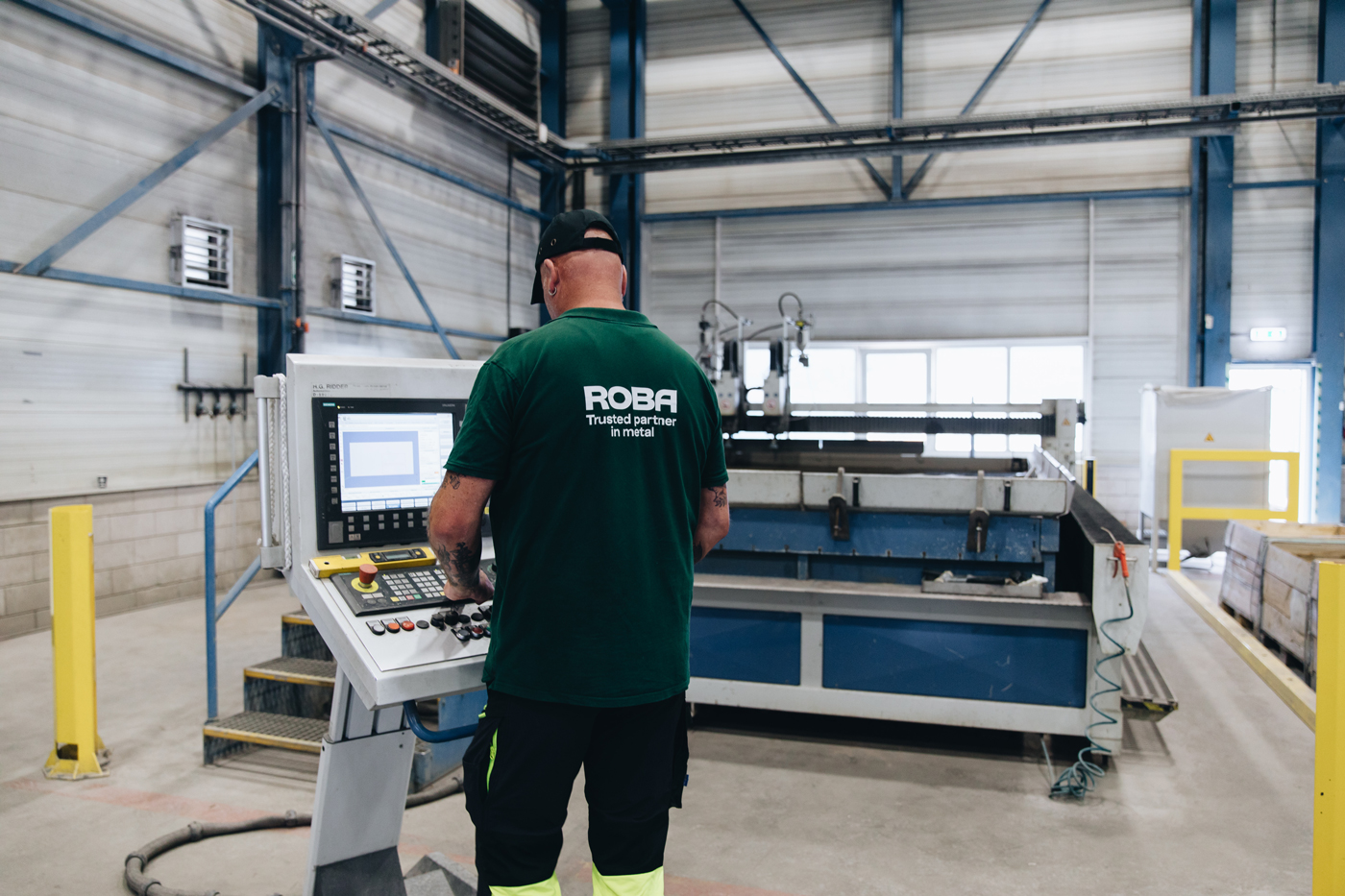
Applications and industries

Deburring is particularly valuable when people need to handle, assemble or process the component. In mechanical engineering, equipment manufacturing, food processing and tank construction, we often see this requirement for components that need to proceed directly to assembly or installation. A burr-free edge that is safe to handle prevents practical problems on the shop floor and saves time by reducing the need for additional in-house finishing.

Grinding is selected when the surface itself is important. For visible components, the aim is to achieve a clean and uniform appearance. In food processing and other hygienic applications, a smoother surface can contribute to better cleanability. In environments such as the chemical, marine and offshore industries, an appropriate surface finish can help reduce the accumulation of dirt, deposits or other contaminants. The required finish always depends on the application, the desired surface roughness and the specifications of the component.

When is deburring or grinding useful?

Deburring is useful when burrs or sharp edges need to be removed. This is particularly relevant for components that will be handled, assembled or processed further. A predictable and safe edge finish also helps when components must be clamped accurately during a subsequent process. Grinding is useful when the surface itself needs to meet specific requirements. These might include a smoother and more consistent surface, a particular appearance, improved cleanability, preparation for a subsequent process or a specified Ra value. We often see customers combine deburring or grinding with waterjet or plasma cutting, followed by five-axis machining. This creates one logical process from plate to finished component.

Read more about mechanical processing of stainless steel

Quality as a consistent commitment

Finishing is also an integral part of quality. That is why we inspect orders against the agreed specifications and required delivery condition, ensuring that you receive exactly what you expect. Would you like to learn more about our quality control, certification options and additional inspections?

Read more about quality, inspection and certification

Frequently asked questions