Choose the right route from plate to component

Not every stainless steel project requires the same approach. Sometimes speed is the main priority. Sometimes cutting quality and preservation of the material structure are paramount. In other cases, you want to receive components that are as ready as possible for installation or assembly.

At the Roba Metals Plate Center, we combine cutting and processing techniques into one predictable route: from material selection and cutting schedules to finishing, machining and quality control.

Bringing stock and processing together under one roof makes our work easier and yours too. It allows us to start sooner, plan more effectively and monitor the process more closely. And because you have a single point of contact, coordination remains straightforward, even when an order involves several stages.
Applications and industries

This page will help you choose between the different techniques. In mechanical engineering and equipment manufacturing, speed can sometimes be decisive, for example when work in the workshop needs to continue. In tank construction, food processing, energy, oil and gas, petrochemicals and marine applications, cutting quality, preservation of the material structure and the level of detail often carry more weight.

Because we combine different techniques, we can also respond efficiently to projects in which components need to proceed directly from cutting to finishing or five-axis machining. This saves time and reduces the number of handovers and coordination stages.

How we determine the right route

We start with your requirements and translate them directly into the appropriate material and cutting schedule. We then consider the purpose of the product. Is speed the priority, cutting quality, safe and convenient handling, or a completely machined component? Based on this, we work with you to determine the most efficient sequence of techniques.

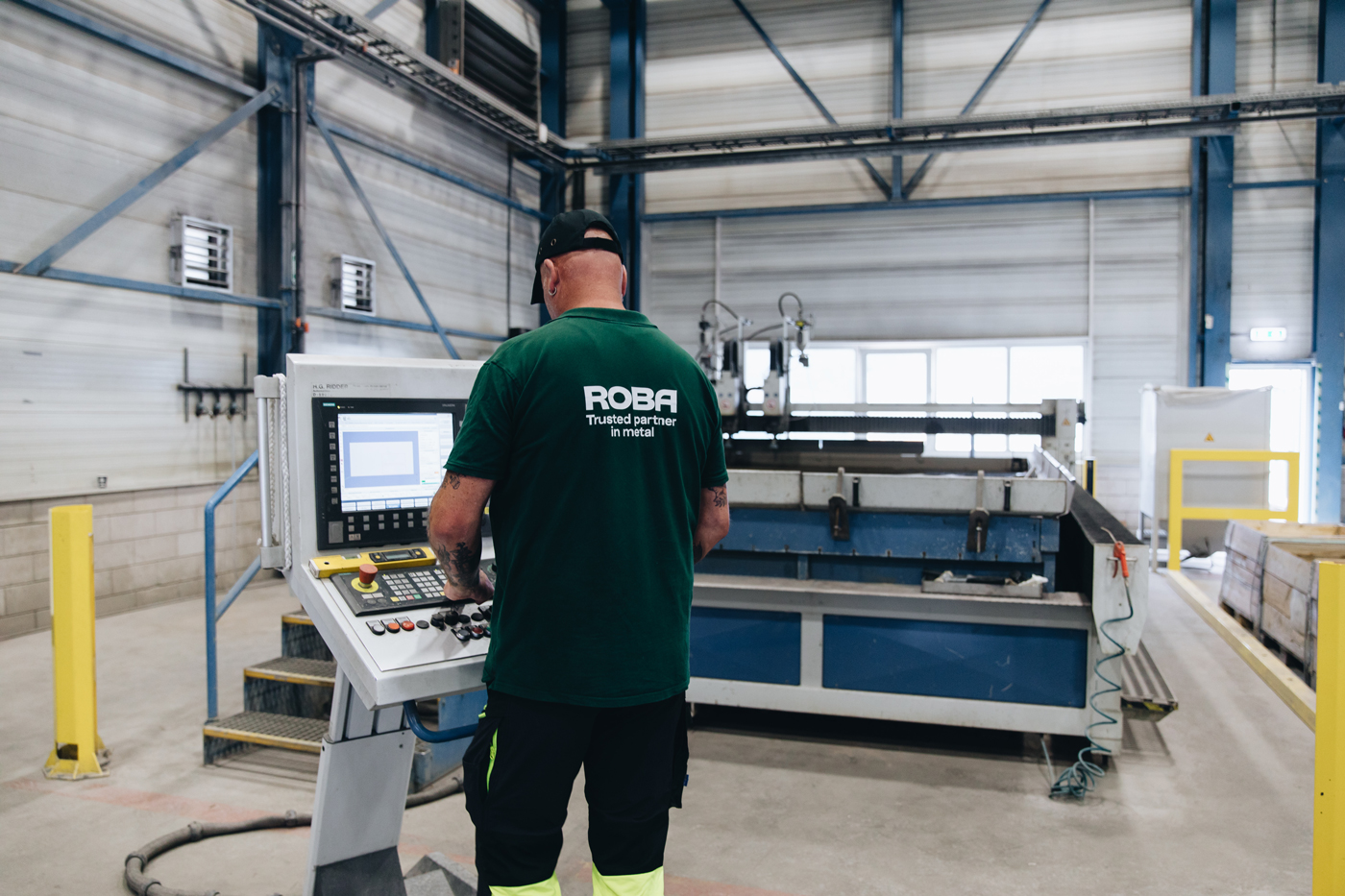
You select the cutting technique best suited to your product: plasma or waterjet. We use these techniques to cut stainless steel entirely to size, with optional weld preparations or concentric holes produced in a single operation.

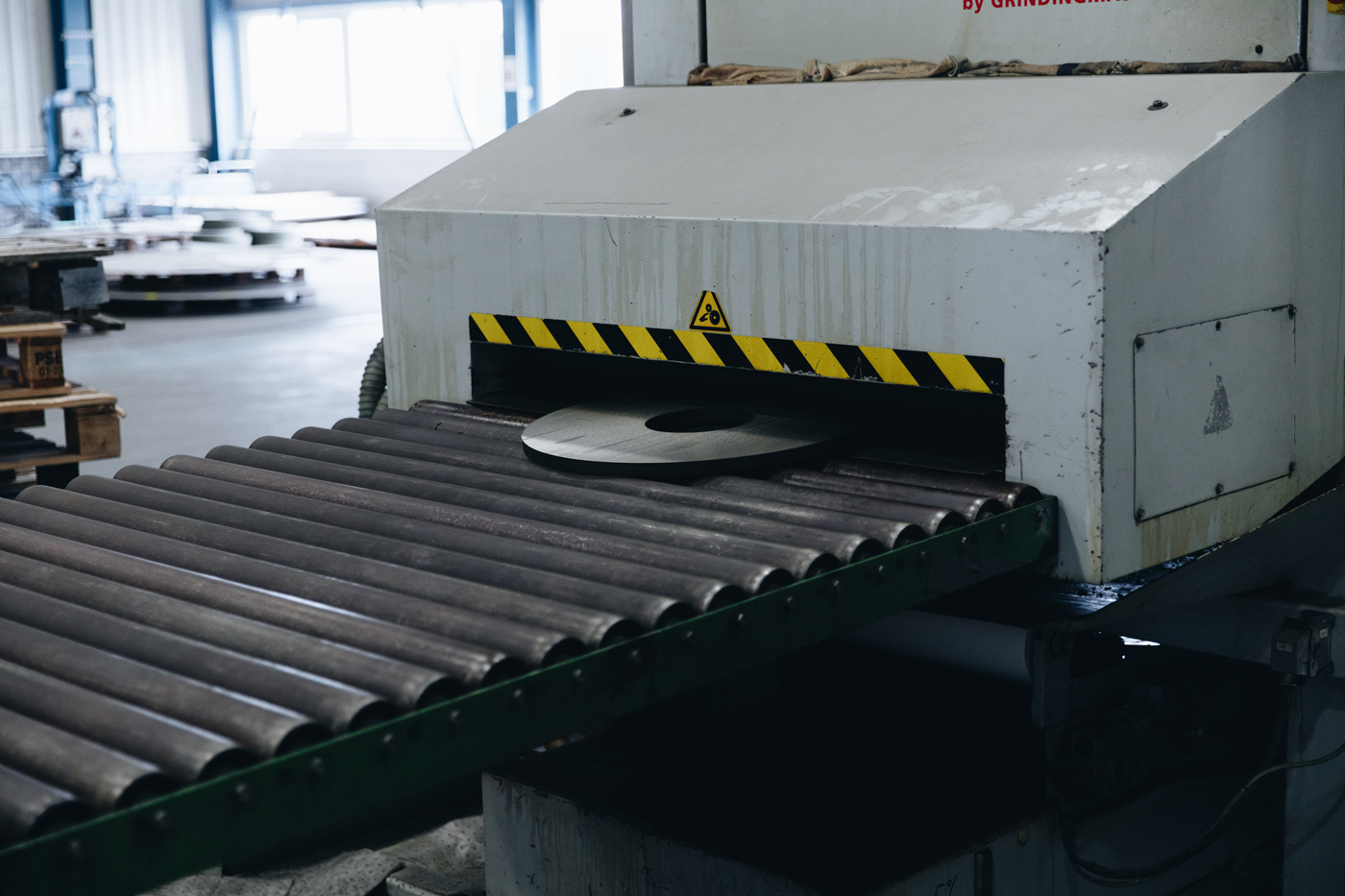
We then provide the finishing required for your application. Deburring is used when burrs or sharp edges need to be removed. Grinding is used when surface quality, cleanability, appearance or a specific Ra value is important. If the component requires further processing, we transfer it to our CNC machine shop.

When should you choose which technique?

There are two common first choices: waterjet cutting and plasma cutting. The right choice primarily depends on cutting quality, heat input and lead time.

  • Waterjet cutting: when quality and preservation of the material structure are paramount
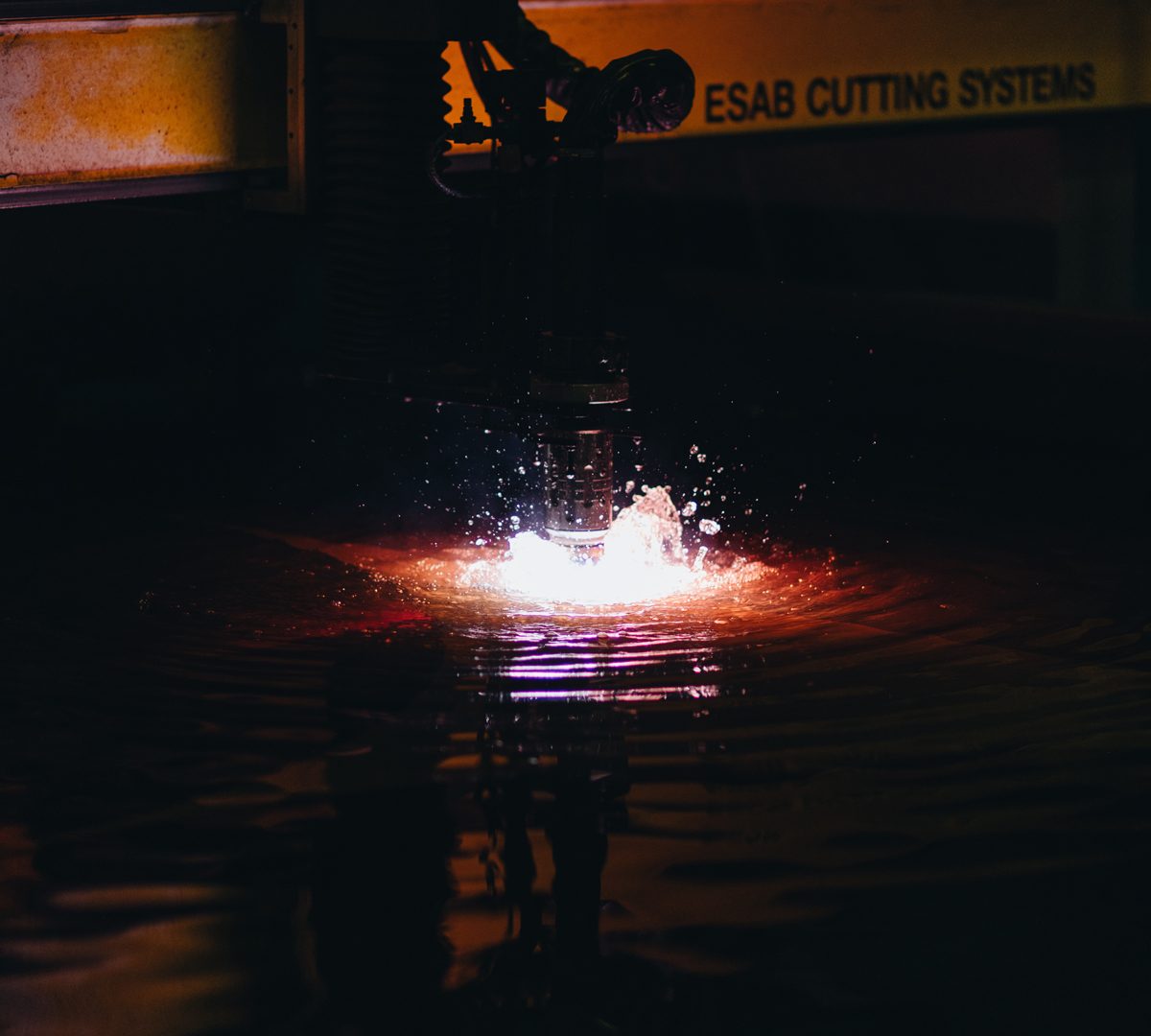
    Waterjet cutting is a cold cutting process with no heat input. This preserves the structure of the stainless steel and allows us to achieve a high cutting quality, for example for critical fits, complex shapes and components where detail matters.
  • Plasma cutting: when speed and efficiency are the main priorities
    When a short lead time is required, we use plasma cutting as an efficient cutting method. It is the right technique when speed makes the difference, without compromising control over your schedule.

Finishing and machining: avoid additional suppliers

Cutting is often followed by another stage. This might involve creating safe edges, improving surface quality or performing operations that transform semi-finished products into finished components. With us, you can include these stages in the same order flow from the outset.

  • Deburring
    Deburring creates safe edges that are easier to handle. We mainly use this process when cutting has left burrs or sharp edges, for example on components that will proceed directly to installation, assembly or further processing.
  • Grinding
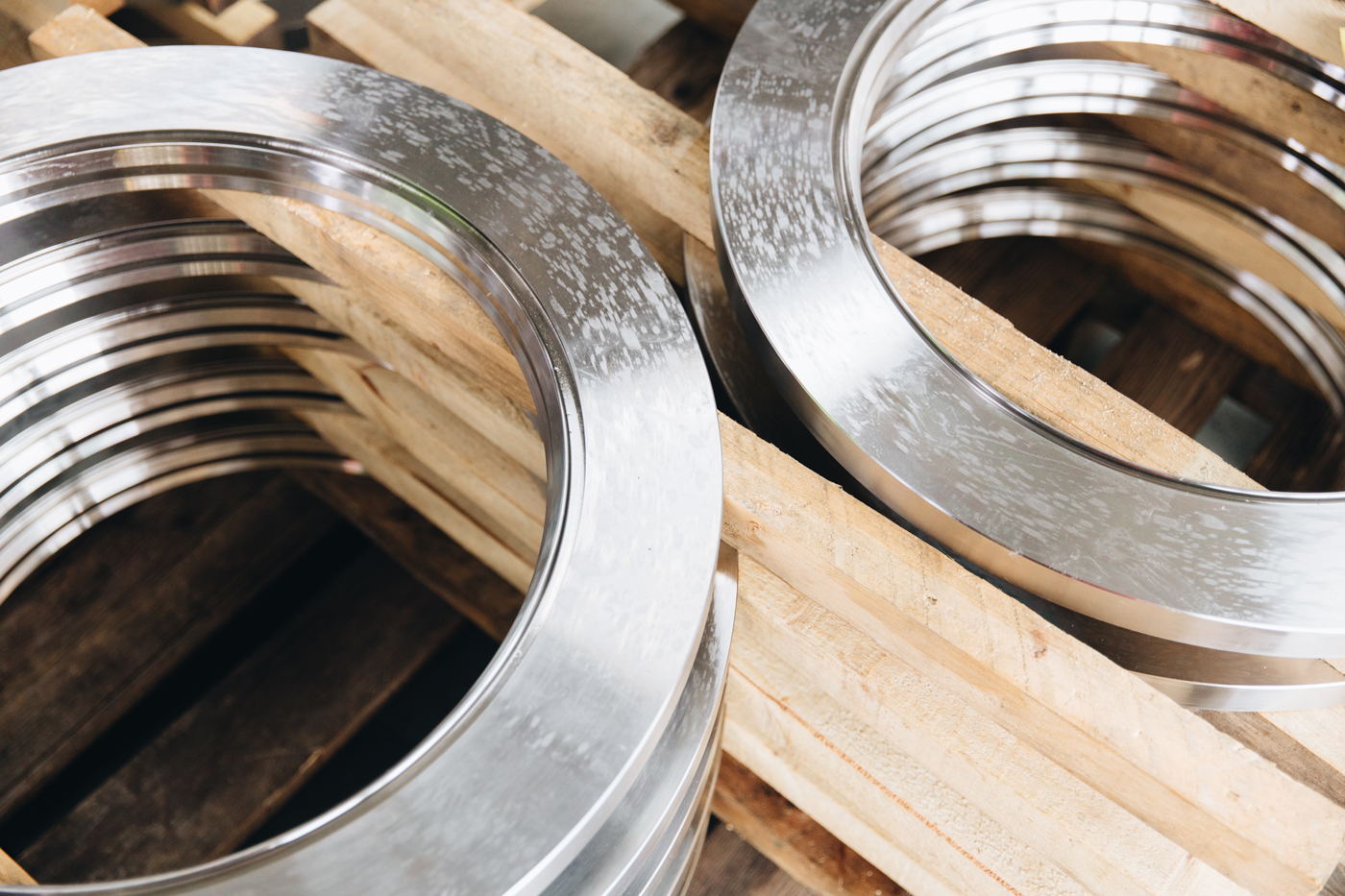
    Grinding improves surface quality and cleanability or creates a specific finish. This process is suitable when a smoother and more uniform surface is required, for example for visible components, hygienic applications or components that need to meet a specified Ra value.
  • CNC machining
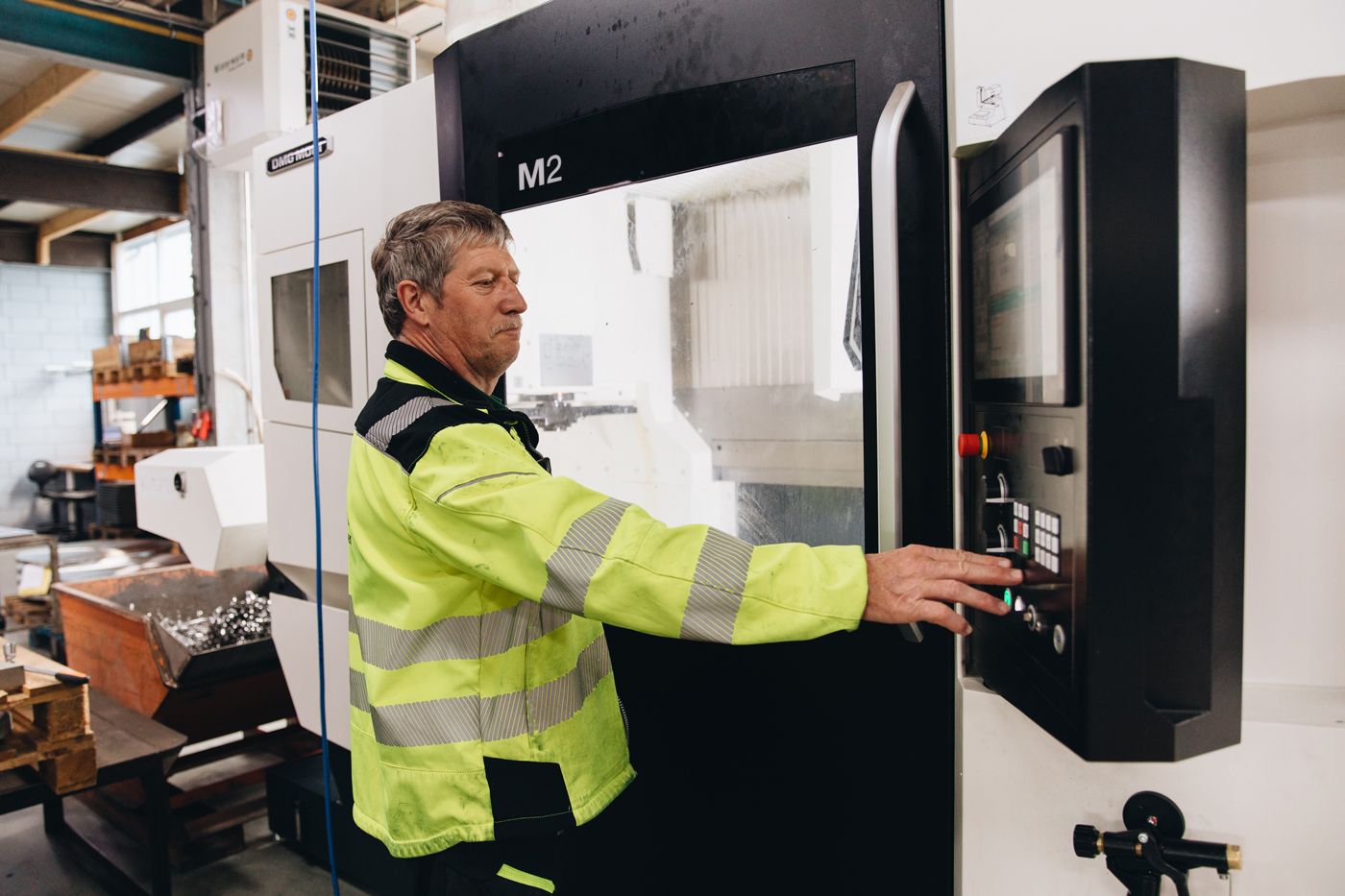
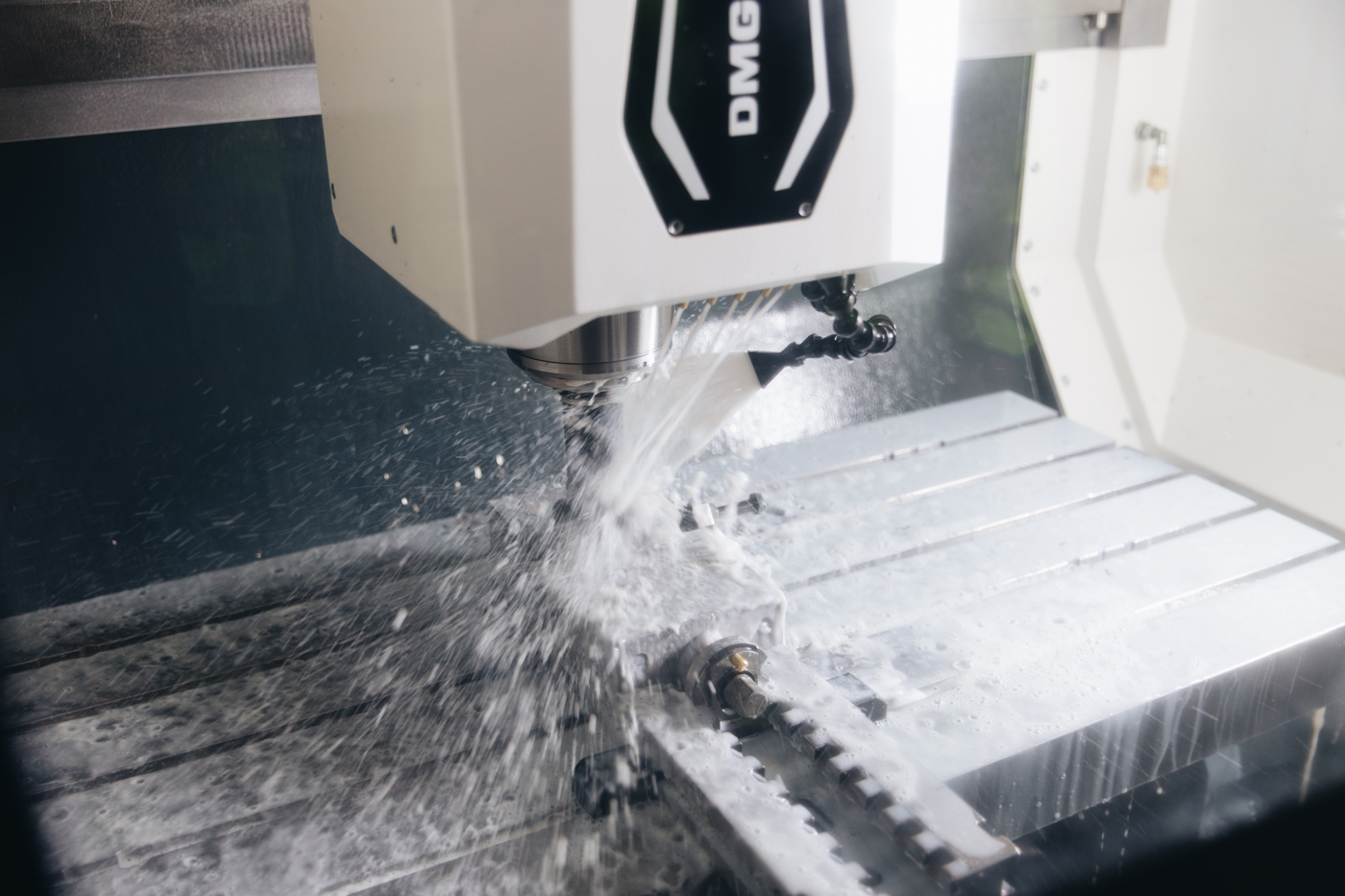
    CNC machining is used to produce components to specification. For complex shapes, we use a combination of turning, milling, drilling and tapping.

Choose the technique below that best matches your requirements and find out more.

Quality is not a final step, but a consistent commitment

Every order is inspected. We also closely monitor its progress and schedule through order monitoring and personal contact. You can also rely on us for certification options and additional inspections. For our customers, this means fewer surprises, greater transparency and a process that remains under control.

Read more about quality and certification

Frequently asked questions